

MVP development for startups
The first working version of your product — from one week with a ready technical spec
We build a minimum product you can show to users and investors: only the features that test your hypothesis — without inflating the timeline or budget.
MVPs and products we have launched
See all projects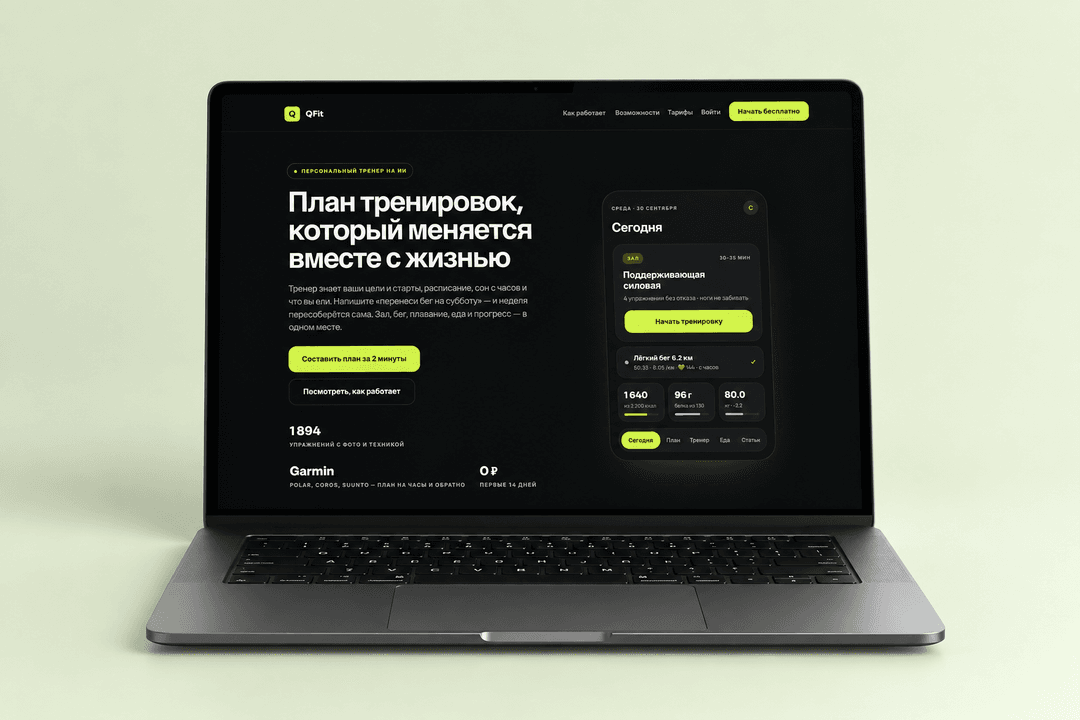
QFit brings workouts, nutrition and progress together in one app, and the AI coach changes the personal plan based on the user’s messages
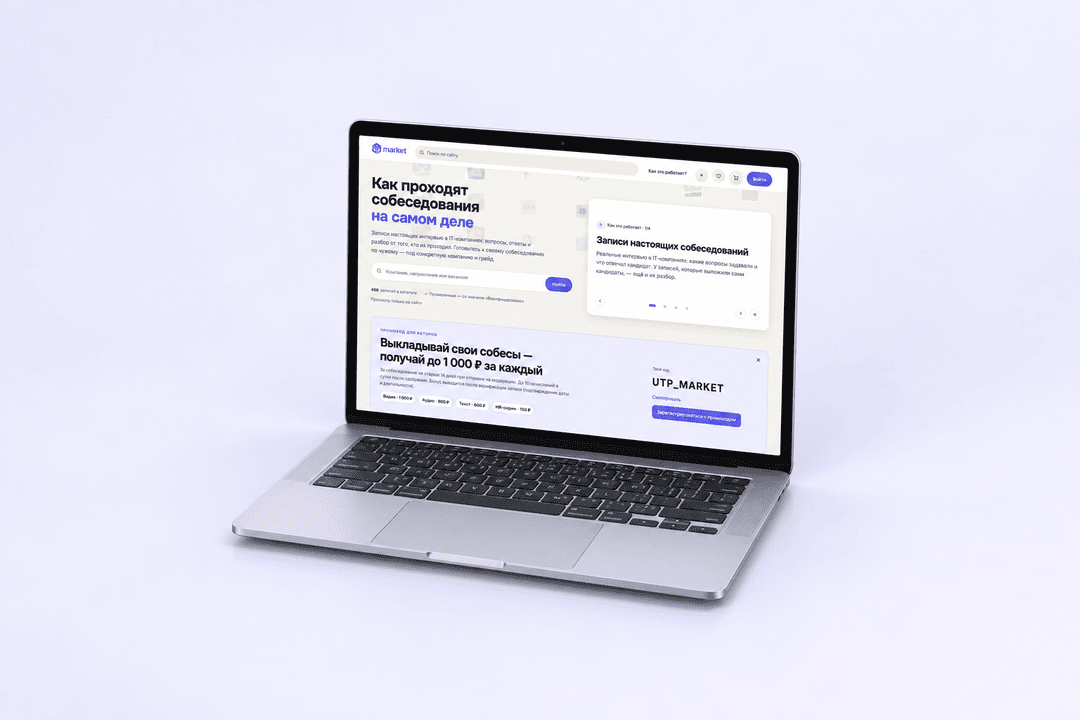
A marketplace where candidates prepare for job interviews with recordings of real interviews and earn money from their own experience
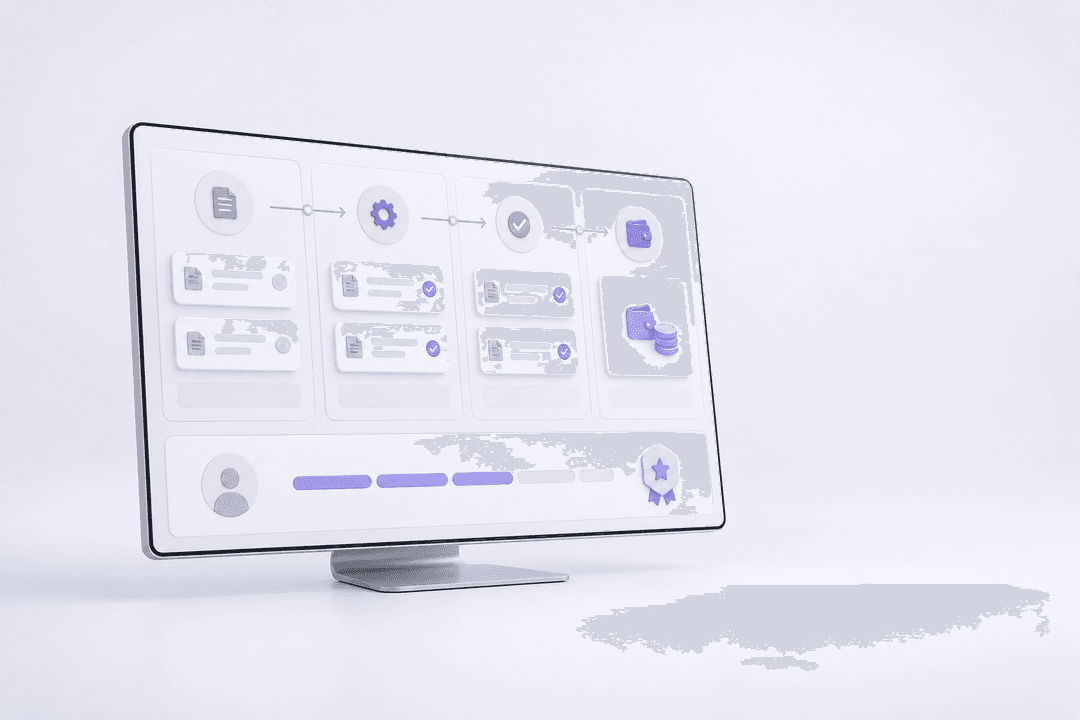
Quantum Dev’s internal game-style dashboard shows each project’s path from assignment to payment and counts accepted work toward the developer’s personal progress
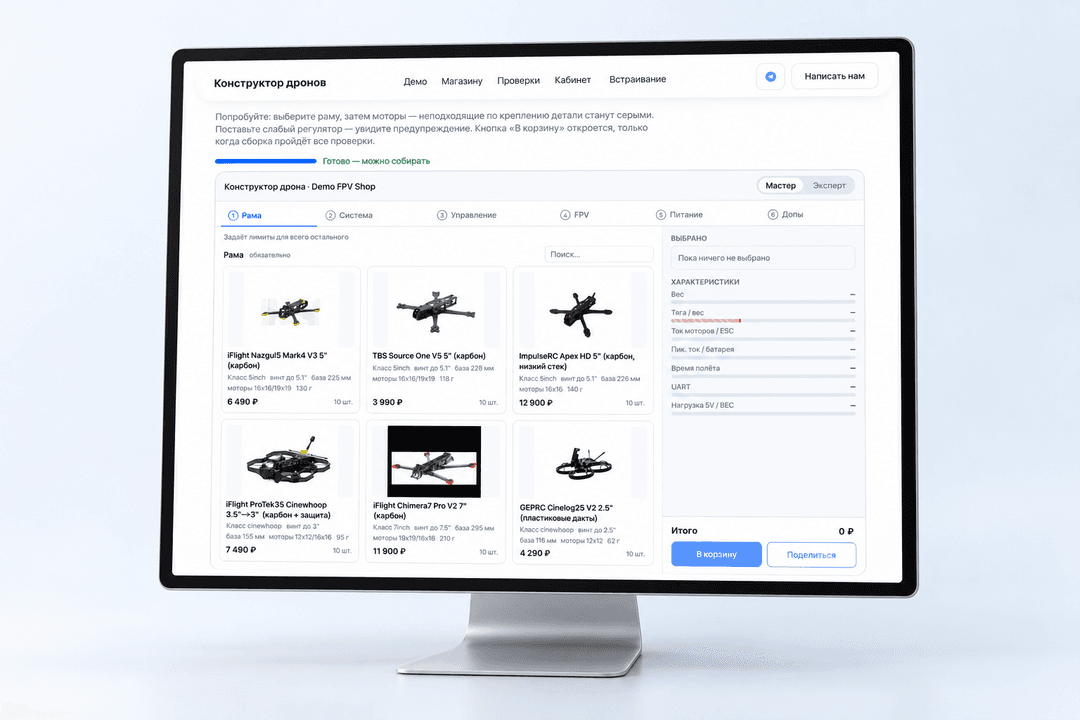
An embeddable builder checks whether drone parts are compatible, recalculates the specs and sends the complete kit to the store’s cart
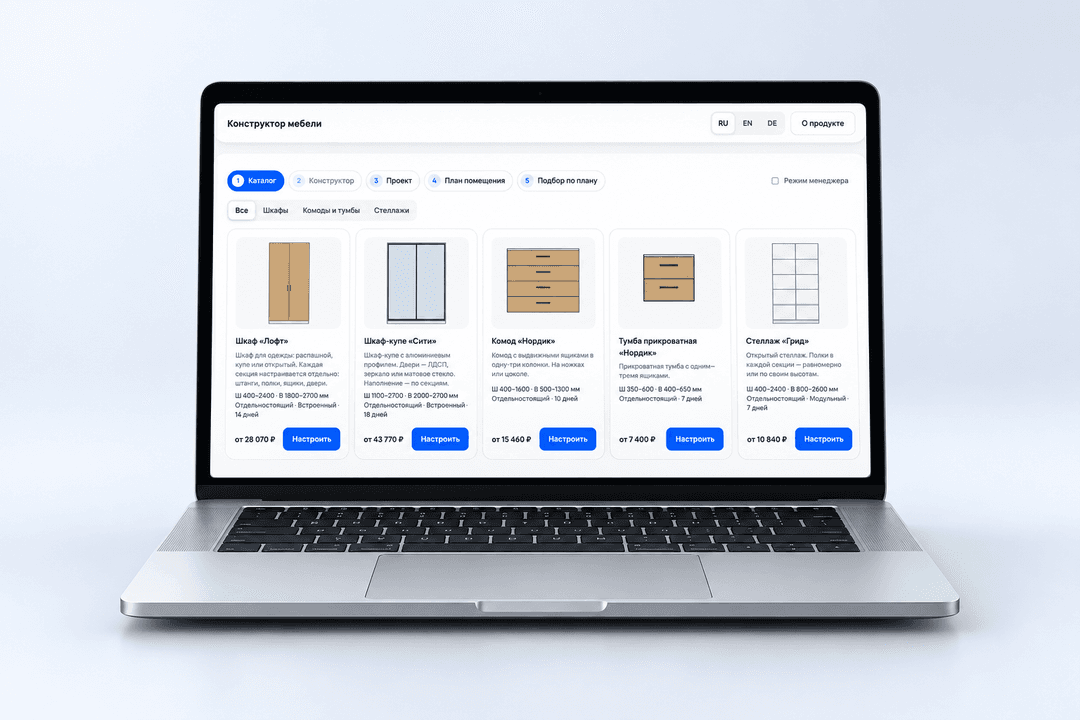
Furniture Configurator lets you customize pieces within the factory’s rules, see the price right away and check the layout in the room
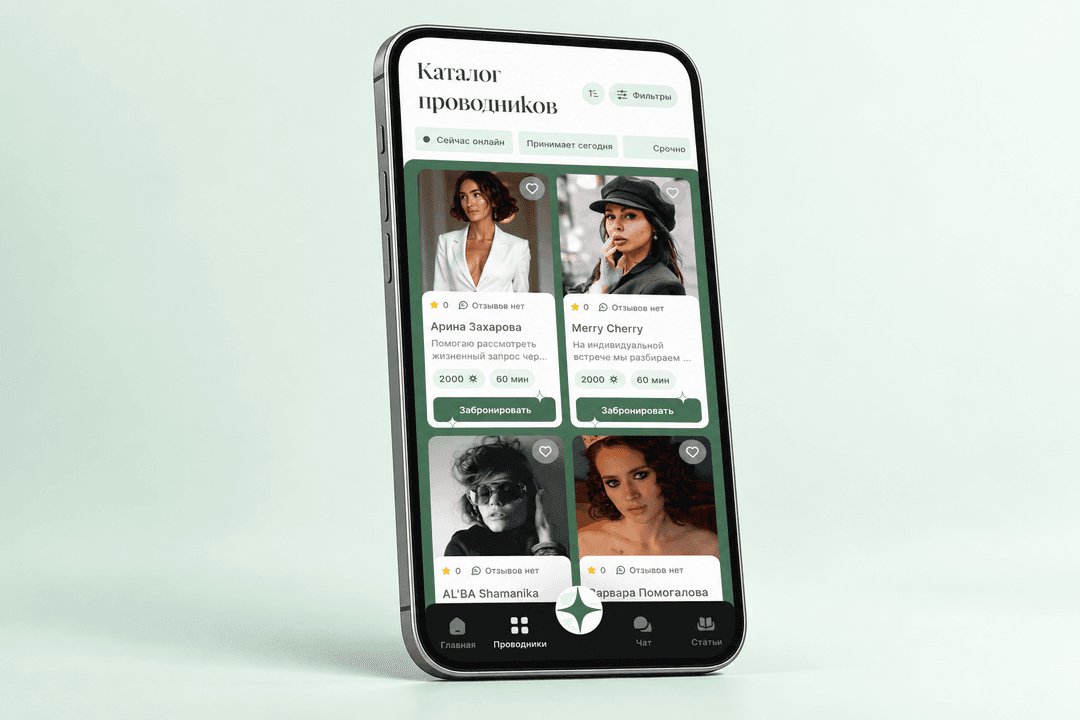
An app for choosing a spiritual practice guide, with detailed practitioner profiles and an article library
When you need an MVP
An MVP isn’t a stripped-down product but a testing tool: it answers the question “do people need this?” before the budget runs out.
It’s cheaper to test a hypothesis with a working product than with a presentation. A couple of weeks with real users tell you more than six months of discussions.
A working product with first metrics is more convincing than slides: they see the user flow, the interface and how users behave.
Competitors launch faster. We go live with the core of the product now and add features based on feedback.
We fix the scope at the start: you pay to test the hypothesis, not for a full product you may not need.
What an MVP includes
Everything you need to release the product to real users and start collecting dataWe define exactly what we’re testing, which user action counts as success and which metrics we’ll watch after launch.
A clickable prototype of the key screens and a clean interface without visual clutter. We agree on it before development starts.
Core features you can give to real users — not a demo built on placeholders.
Registration, roles and payment processing — if they’re part of the scenario being tested.
Events, funnels and a dashboard: after launch you see how people use the product instead of guessing.
Domain, hosting, publishing to the app stores. The source code and access are yours from the first commit.
What we deliberately leave for later
Cutting the extras is exactly what keeps the timeline short: the first version takes from one week. We check every feature with one question: does it help test the main assumption?
A minimal panel is enough for the first version. We build a full admin panel once the real processes are clear.
Edge cases and exceptions are added after launch, based on how users actually behave.
We leave room for growth but don’t build for high load before the first thousand users show up.
Nice-to-have features go into the backlog for the next iteration — recorded, not dropped.
How the work goes
We discuss the idea, the target user and the hypothesis. Within one business day we come back with a time and budget estimate.
We break the idea down into features and decide together what goes into the first version and what waits for the next iteration.
A clickable prototype of the key screens, then the visual design and a UI kit for fast development.
We write the code in iterations: you see progress on a test server and can adjust course before release.
We test the scenarios manually and with automated tests, publish the product and connect analytics.
We look at the metrics together: what was confirmed, what wasn’t and where to go next.
What happens after launch
An MVP is a foundation, not a throwaway prototype: the product can grow without being rewritten from scratch
We add the features that user behavior has confirmed, not ones based on intuition.
We strengthen the architecture and infrastructure when the load has actually grown.
We can add our specialists to your team or help you hire your own.
Updates, bug fixes and monitoring after release — the product isn’t left unattended.
Frequently asked questions
It depends on the feature set: a Telegram bot with payments is one thing, a service with user accounts and integrations is another. Send us a description of your idea, and we’ll come back with an estimate within one business day.