


Turnkey marketplace development, from simple to complex
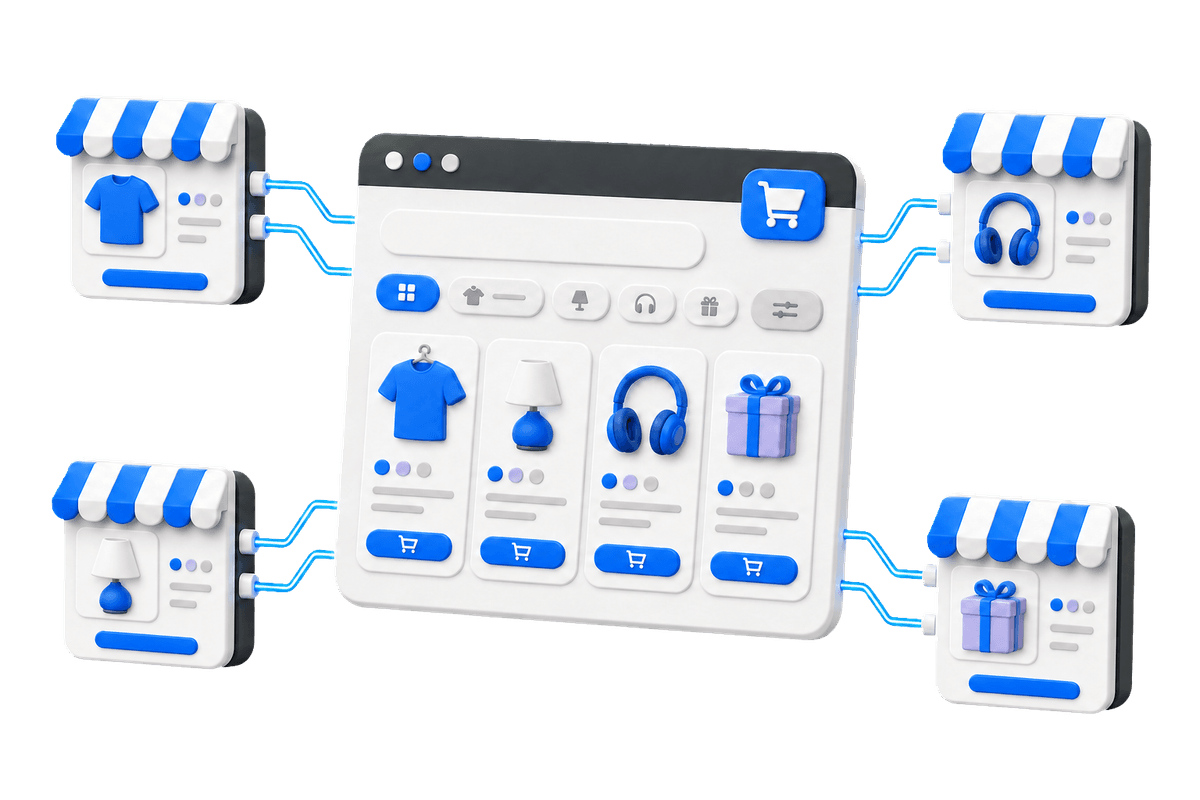
We build modern marketplaces for goods and services that are easy to scale and integrate with other services — from ERP and accounting to eBay.
Why build a marketplace
Marketplaces already take the largest share of online sales, and it keeps growing.
Niche marketplaces win where the big platforms are too generic: a narrow audience, a special catalog, its own rules.
Many revenue mechanisms: commissions, subscription fees, listing and promotion fees, third-party ads.
Marketplaces and services for sellers
See all projects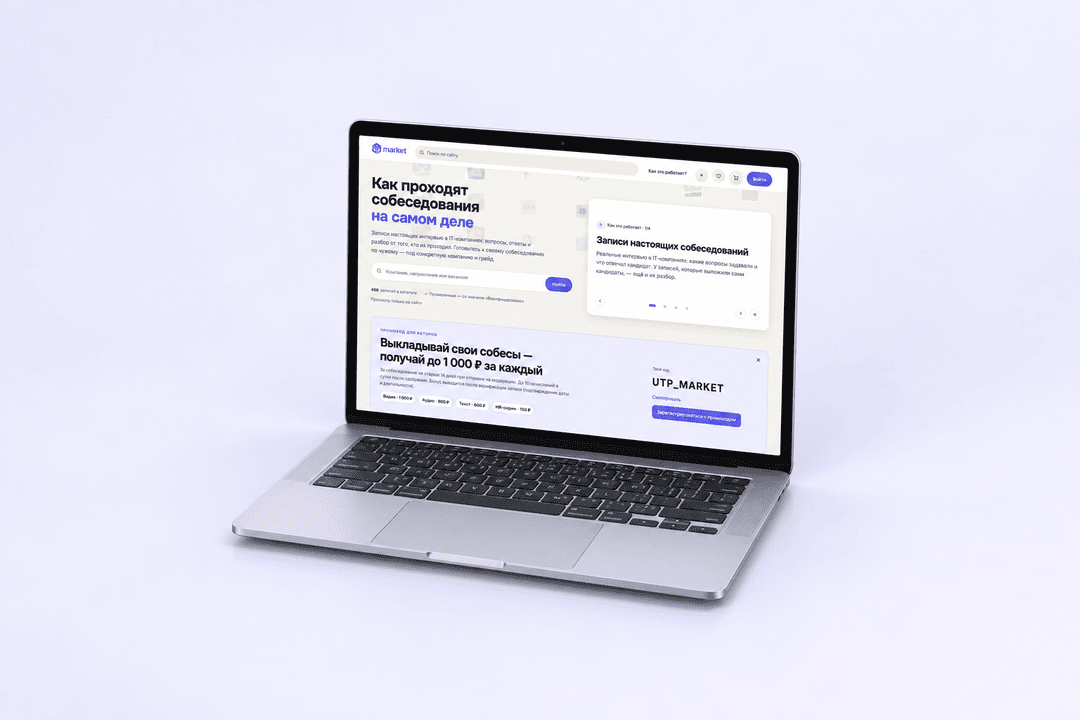
A marketplace where candidates prepare for job interviews with recordings of real interviews and earn money from their own experience
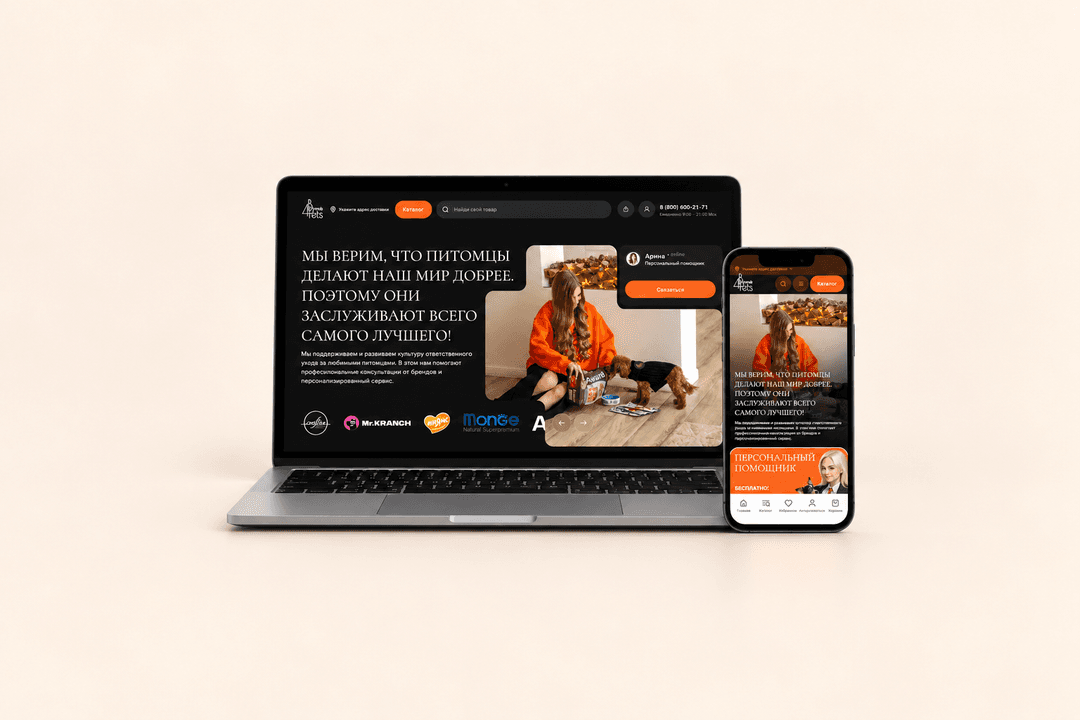
A gallery of pet brands that combines a product catalog, curated collections for owners and an offer of a free personal consultation
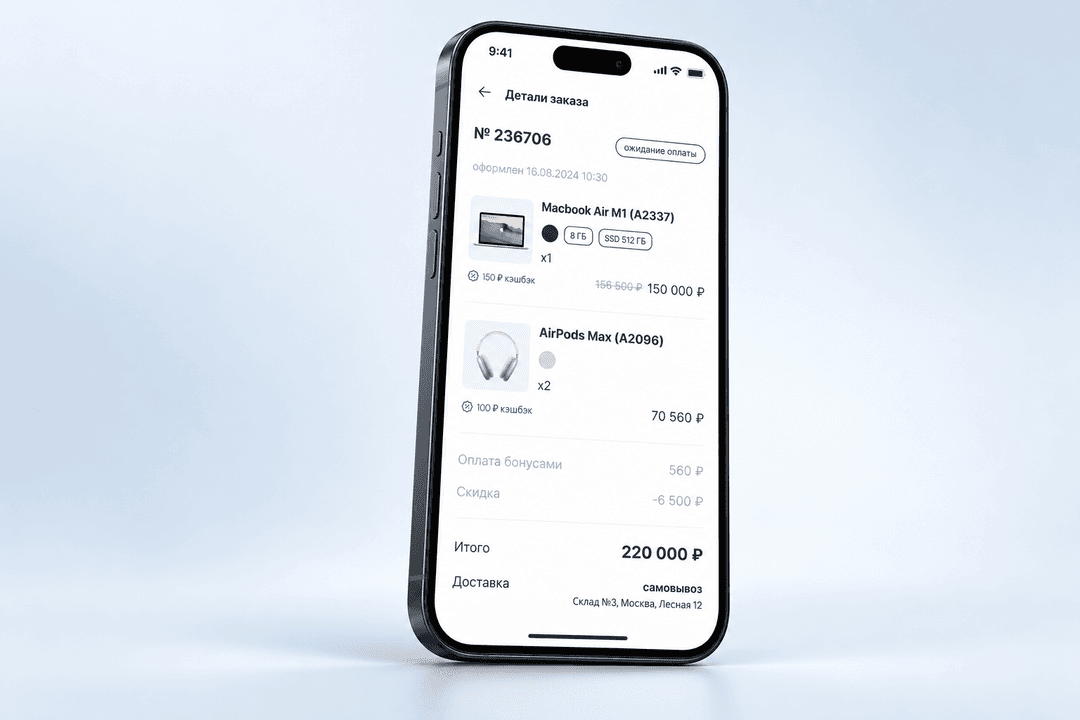
A mobile app for buying electronics, with an admin panel, product data imported from MoySklad and matching of items from supplier price lists
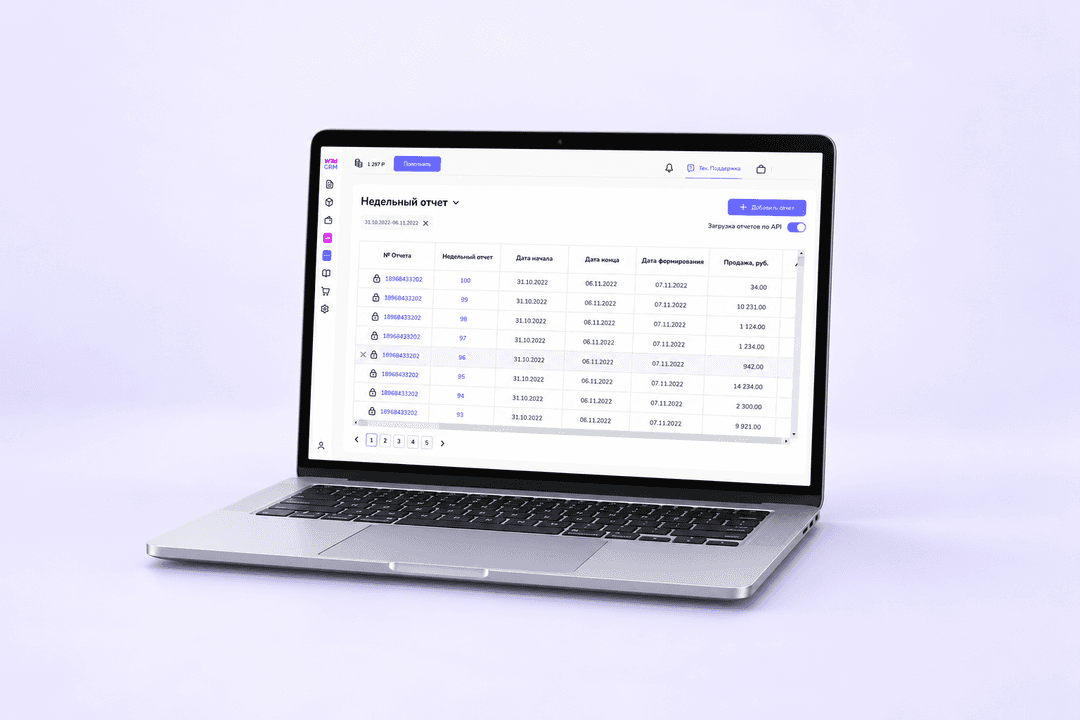
WildCRM helps sellers on Wildberries and Ozon (Russian marketplaces) make sense of the platforms’ reports and see their business’s financial picture: sales, profit and cost of goods
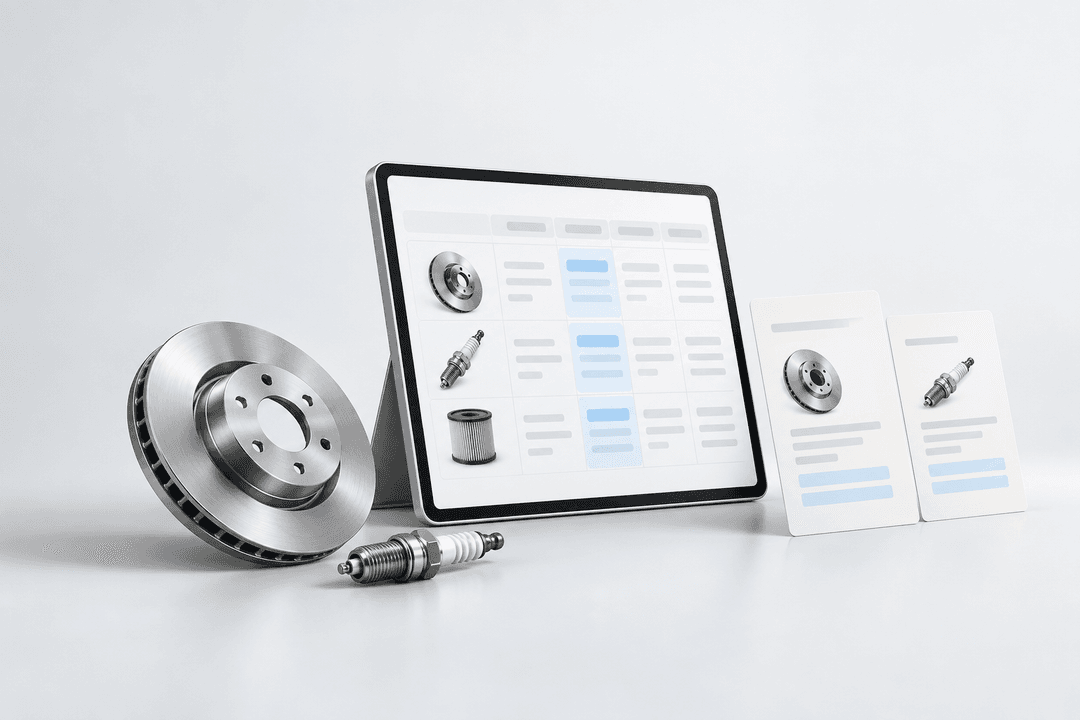
The service brings together 4,084,420 auto parts cards, helps compare purchase prices and prepare data for listings on Avito, a Russian classifieds marketplace

The Entersight website helps store owners explore cloud inventory management and start a free trial
Marketplaces we build
We’ll choose the platform model for your niche and audienceA retail platform where sellers offer goods to end consumers.
A platform for trade between businesses: companies buy and sell goods or services to each other.
A platform for individuals: users sell goods or services to each other directly.
Users exchange services or goods directly, often without intermediaries.
A platform where users offer and order services: repairs, cleaning, design.
A platform for selling cloud services and software by subscription.
A combined model: a business sells goods to other businesses, which resell them to end consumers.
A marketplace focused on one category of goods or services — a good fit for narrow markets.
A platform for selling and trading non-fungible tokens: creators put NFTs up for sale at auction.
Marketplace monetization
We help you choose a revenue model and build it into the platform architecture from day one — changing the rules on a live platform is expensive.
The platform owner takes a percentage of each transaction. The model has the lowest barrier to entry for users.
Customers pay a monthly or annual fee for access to the platform. The challenge is to keep growing the user base.
A fee for each published listing. Suppliers need to pay for listings quickly, so payment system integrations matter.
Suppliers pay for top positions in search results, homepage features and other advertising.
A fee for each lead generated: customers post requests, suppliers quote a price, and suppliers pay only for the customers they win.
Free access to the platform with paid extras: discounts, promotions, free delivery.
Why work with us

Every business is different, so we deliver a turnkey solution shaped by your requirements and goals. The team studies your market and audience before proposing what will work best.

Trust matters to us. At every stage of development we report openly and keep you in the loop, so you always know where the project stands.

The team works with current technologies and development tools to build platforms that scale and stay reliable.
How we work
You send a request, and within one business day a manager contacts you to learn the project details and discuss the concept.
We study your niche, define the features, prepare an estimate and, based on your wishes, propose a solution that works.
We build the page structure to give a clear picture of the product and create interactive prototypes.
We design the look of the future product based on your requirements and the results of the analysis.
We build the features, integrate external services and set up the infrastructure.
We test the product manually and with automated tests against the agreed requirements.
We launch the project on the production server and show that it meets the requirements. After that come support and monitoring of incidents and servers.